About Narwal

AI-first IT services company serving 50+ clients, with over 500 projects delivered and a 98% satisfaction rate (4/4 NPS). We provide customized, scalable solutions across AI, Data, and Quality Engineering, enabling businesses to innovate faster and operate more efficiently.

Narwal specializes in AI, Data, and Quality Engineering, delivering innovative software solutions that enhance user experience and drive growth.

narwal-accelerators-menu

Latest Featured Resources

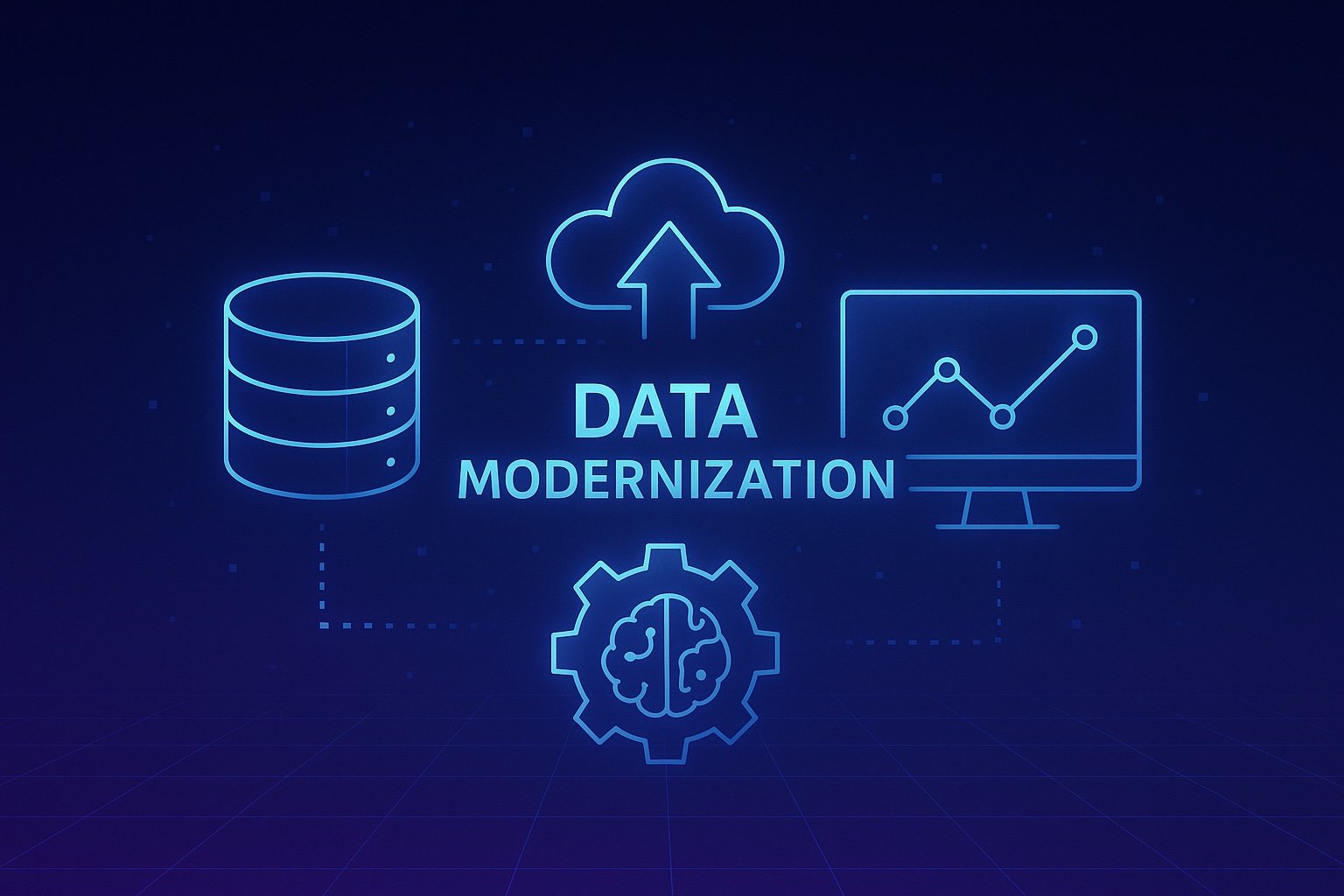
What-Is-Data-Modernization
Presentation-Proposal-Presentation

Narwal Intelligent Lifecycle Assurance (NILA)

Gen AI-powered QE platform to shift-left QA and automate quality engineering processes.

Quality Engineering, Reimagined from the Ground Up

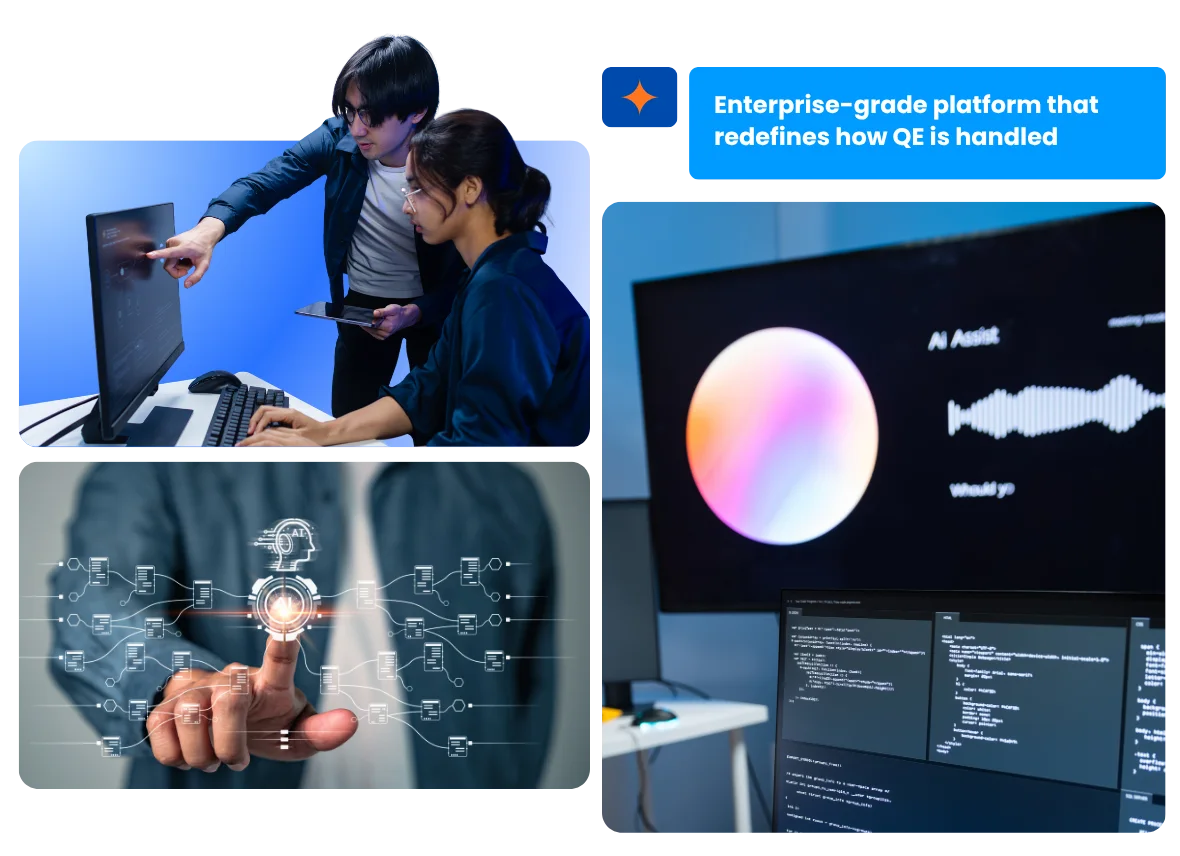
NILA (Narwal Intelligent Lifecycle Assurance) is an enterprise-grade platform that redefines how Quality Engineering is executed across the software lifecycle. From refining user stories to generating automation scripts and surfacing actionable insights, NILA integrates Gen AI into every stage, bringing intelligence, efficiency, and precision to QE processes. Built on open-source, scalable architecture, and compatible with 100+ enterprise technologies, NILA is your one-stop AI-powered QE platform.

Comprehensive Impact of the Narwal Intelligent Lifecycle Assurance

Planning & Requirements

User Story Validation, User Story Refinement, User Story to Manual Test Cases Generation.

Design

Test Coverage Analyzer, Smart Change Impact Analysis, Wireframe to Test Generation, Smart Design Reviews.

Build

GUI-to-Automation, API-to-Automation, SQL Generation, Synthetic Data Generation, Functional-to-Load Conversion, CI/CD YAML Creation, Debug & Fix, Code Docs, Release Notes, Commit Messages.

Test

Self Healing, Regression Test Optimization, RCA & Failure Analysis. Application Quality Hotspots Log Analysis.

Production Release

Hypercare Support, Test Summary Report.

Gen AI Adoption Strategy in QE

Think Big, Start Small, Learn Fast & Iterate as per your needs from POC to Production ready, NILA supports every stage of AI adoption.

Plan & Roadmap

Identify use cases, define critical success factors, build business cases, align leadership buy-in, and establish an experimentation mindset.

Silo AI Experiments

Test early PoCs with raw models, validate infrastructure readiness, demo quick wins, fail fast, and initiate upskilling programs. 

QE Agents Platform

Deploy matured AI agents with IAM support, platform features, governance guardrails, and enable testers’ playgrounds.

Comprehensive Test Reporting

Integrated with Allure and Extent dashboards for real-time insights and actionable analytics.

Parallel Execution with Docker

Accelerates testing cycles and ensures scalability across multiple environments.

Autonomous, Self-Learning

Establish full-context awareness, continuous learning loops, DevOps-agent collaboration, and testers-in-the-loop oversight.

Orchestrated Agentic AI

Enable AI agents to work in harmony with RAG pipelines, MCP-based logic, and integrate seamlessly into QA workflows. 

Why Choose NILA AI?

Narwal’s Data Quality Assurance Framework is built for enterprises that rely on accurate and high-quality data to drive business success.

AI-Driven Quality Lifecycle Management

AI-Driven Quality Lifecycle Management

Optimizes every stage from user story validation to post-release defect insights.

Ecosystem & Integration

Ecosystem & Integration

Compatible with standard DevOps & ALM tools.

Scalable & Future-Ready

Scalable & Future-Ready

Supports Gen AI evolution from Silo AI to Orchestrated Agentic AI and eventually to Autonomous Self-Learning agents.

Deployment Model

Deployment Model

Available as a cloud-based SaaS application and deployable on-prem.

Outcomes & Impacts

Our AI-powered QE solution is delivering measurable results.

Improved Productivity

AI-powered test generation significantly reduces manual effort for API & UI testing.

0 %
Shift Left in Quality

Enhanced acceptance criteria and early test generation improve coverage and reduce late-stage defects.

0 %
Fewer Defects

Predictive analytics and quality insights help minimize post-release issues and improve stability.

0 %

Get Started with NILA AI Today

Streamline your testing lifecycle with Gen AI-powered intelligence, automation, and quality insights, backed by an enterprise-grade platform.

Frequently Asked Questions

Quality Engineering (QE) is a discipline that focuses on ensuring the quality of software products through rigorous testing and validation processes. It encompasses various methodologies, tools, and practices designed to identify defects early, enhance software performance, and ensure compliance with standards. QE is crucial because it helps deliver high-quality software, reduces costs associated with defects, and enhances customer satisfaction. 

Quality Engineering involves several types of testing, including Functional Testing, Performance Testing, Data and ETL Testing, User Acceptance Testing (UAT), Security Testing, Regression Testing, and Automated Testing. Each type of testing plays a vital role in validating different aspects of a software product to ensure it meets the desired quality standards. 

Test Automation is the use of specialized tools and scripts to automate the execution of test cases. It benefits Quality Engineering by reducing manual effort, increasing test coverage, ensuring consistent test execution, and enabling continuous testing in Agile and DevOps environments. Automated testing also accelerates the feedback loop, allowing for faster detection and resolution of defects. 

Key metrics used in Quality Engineering include Test Coverage, Defect Density, Test Execution Progress, Automation Coverage, Defect Removal Effectiveness, and Defect Acceptance Rate. These metrics help evaluate the efficiency of testing efforts, identify areas for improvement, and ensure that quality standards are maintained throughout the development lifecycle. 

Agile and DevOps methodologies have transformed Quality Engineering by promoting continuous integration, continuous testing, and continuous delivery. QE practices in Agile and DevOps environments focus on in-sprint automation, rapid feedback, and seamless collaboration between development, testing, and operations teams, which helps accelerate the development cycle and improve application quality. 

A Test Management Office (TMO) oversees the testing processes, ensuring consistency, governance, and strategic alignment with business objectives. It manages test planning, resource allocation, environment management, and risk mitigation, providing a structured approach to Quality Engineering that supports effective decision-making and project delivery.

Quality Assurance (QA) is a part of Quality Engineering (QE) that focuses on the processes and standards to prevent defects, while Quality Engineering encompasses the entire lifecycle, including design, development, testing, and deployment. QE is a more comprehensive approach that integrates quality into every stage of the software lifecycle.

Common tools used in Quality Engineering include test management tools like Opentext ALM, Jira (with Zephyr), Azure DevOps, automation tools like Selenium, TOSCA, Playwright, and Cypress, and performance testing tools such as LoadRunner and JMeter. These tools help manage test cases, automate testing processes, and ensure comprehensive coverage and efficiency. 
Narwal’s Quality Engineering approach is unique due to its commitment to hands-on leadership, a flat organization structure, and a high level of empowerment and accountability. Unlike large system integrators, Narwal’s team that presents the solution approach is the one that delivers it. Narwal also leverages in-depth domain knowledge and cutting-edge tools ensuring exceptional outcomes for clients. 

Narwal provides Quality Engineering services across various industries, including Banking & Financial Services (BFS), Insurance, Healthcare, Retail, Manufacturing, Life Sciences, and Technology. Narwal’s expertise in these domains allows it to tailor QE services to specific industry needs, ensuring optimal quality and performance.Â